The Undisputed King of Fillings: Why Every Bakery Swears By This Classic Pastry Cream Recipe
In the illustrious world of patisserie, some recipes stand the test of time, becoming cornerstones upon which countless decadent desserts are built. Among these timeless treasures, the classic pastry cream recipe reigns supreme. Known by its elegant French name, Crème Pâtissière, this rich yet delicate custard is the secret weapon of bakeries and home cooks alike, transforming simple ingredients into a luxurious filling that elevates everything it touches. If you’ve ever wondered what gives your favorite fruit tarts, éclairs, or cream puffs their signature silken interior, you’ve just found the answer.
Far from being an intimidating, chef-exclusive concoction, the beauty of this classic pastry cream (Crème Pâtissière) lies in its surprising simplicity and incredible versatility. It’s a foundational skill that, once mastered, opens up a universe of dessert possibilities. From everyday treats to show-stopping centrepieces, a well-made pastry cream is always in season, always delicious, and always a crowd-pleaser.
What Makes a Classic Pastry Cream Irresistible? The Anatomy of Perfection
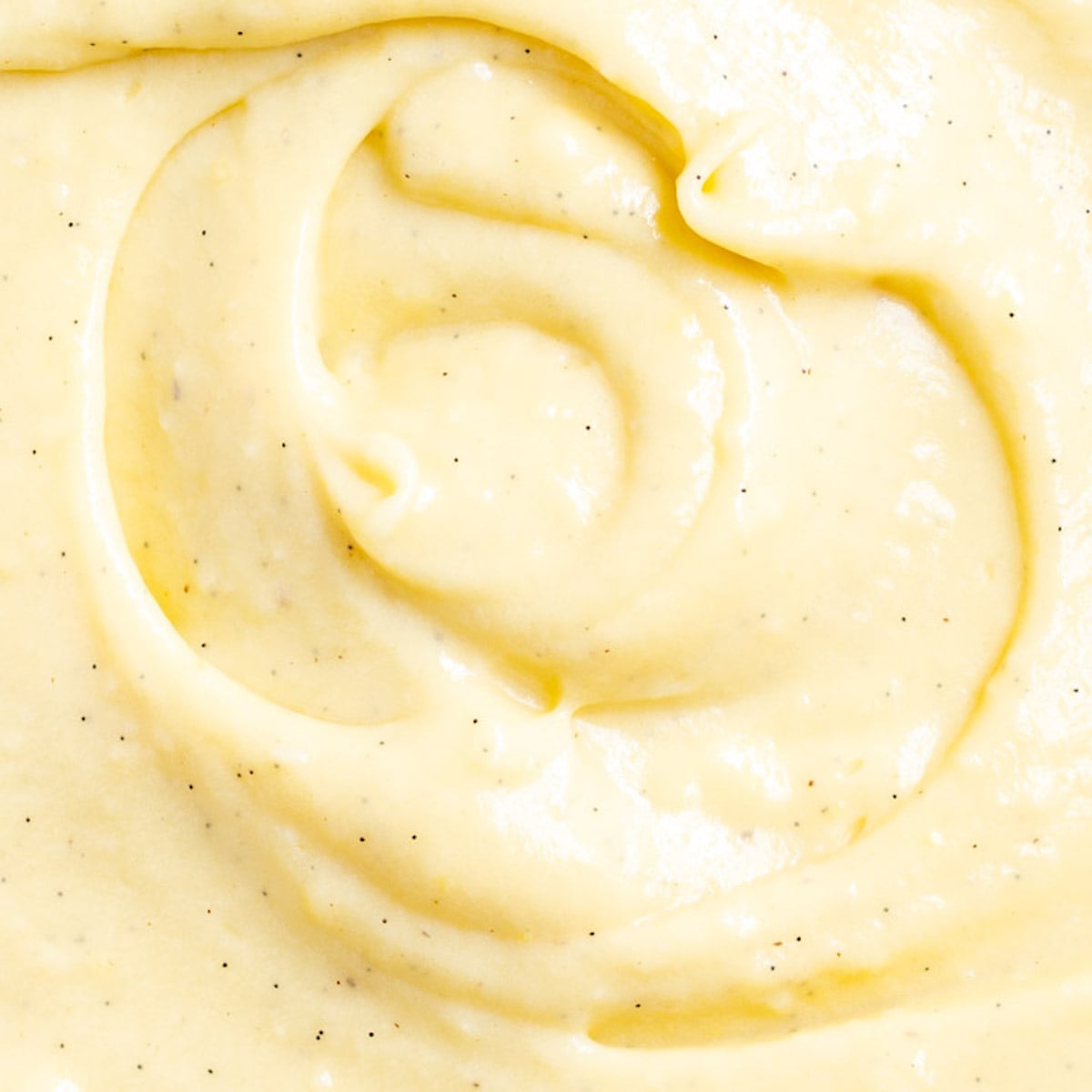
At its heart, classic pastry cream is a custard, but it's much more than just milk and eggs. It's a symphony of textures and flavors that captivates the palate. Imagine a spoonful: it's velvety smooth, with a luscious mouthfeel that coats the tongue without being heavy. Despite its richness, there's an inherent delicacy to it, a perfect balance that allows it to complement, rather than overpower, other dessert components.
The core flavor profile of a traditional pastry cream is often vanilla-infused, offering a comforting warmth and aromatic depth that is universally loved. This neutral, yet profound, base makes it an ideal canvas for pairing with a myriad of flavors, especially fresh fruits. Think of the bright acidity of berries cutting through the creaminess, or the sweetness of peaches finding a perfect partner in its custardy embrace. It's this harmonious relationship that makes desserts like a Fresh Peach Crostata or a Millefoglie Cream Cake with Berries utterly irresistible.
Bakeries and restaurants rely on this recipe precisely because of its structural integrity and indulgent taste. Unlike a lighter whipped cream, pastry cream offers substance and a satisfying richness that holds up beautifully in a layered cake, a sturdy tart, or a filled pastry, providing stability and an unforgettable sensory experience. It's a filling that not only tastes incredible but also plays a crucial role in the overall architecture and appeal of a dessert.
The Secret to a Perfect Classic Pastry Cream Recipe (It's Easier Than You Think!)
Here's the most surprising revelation about this bakery staple: it literally takes minutes to make! With a handful of simple ingredients and the humble whisk as your primary tool, you can have a batch of exquisite pastry cream ready in no more than 15 minutes. This rapid turnaround time is why it's so invaluable in busy professional kitchens and a game-changer for home bakers.
The ingredient list for a classic pastry cream recipe is straightforward:
- Milk: Full-fat milk is usually preferred for richness.
- Egg Yolks: Provide color, richness, and emulsification.
- Sugar: Sweetness and structure.
- Starch (Cornstarch or Flour): The key thickening agent that gives pastry cream its unique stable consistency.
- Vanilla: Essential for that classic aroma and flavor (extract, bean, or paste).
- Butter (Optional but Recommended): A knob of butter at the end adds extra richness, gloss, and a silky texture.
The Core Technique: A Dance of Heat and Whisking
The process is elegant in its simplicity. You heat the milk, temper the egg yolks with sugar and starch, combine the two mixtures, and then gently cook everything together while whisking continuously until it thickens to a luxurious, pudding-like consistency. The tempering step is crucial, gradually bringing the eggs up to temperature with the hot milk to prevent them from scrambling. Constant whisking prevents lumps and scorching, ensuring a perfectly smooth result every time.
For those who doubt its speed, prepare to be amazed. It's truly a swift process, and the reward is immense. If you're skeptical about the speed, you'll be amazed at how quickly you can Unlock Decadent Desserts: Make Pastry Cream in Just 15 Minutes.
Beyond the Basics: Creative Uses for Your Classic Pastry Cream
Once you’ve mastered the classic pastry cream recipe, a world of dessert possibilities opens up. Its versatility is truly unmatched:
- Tarts: The quintessential filling for fruit tarts, providing a creamy base for fresh berries, sliced kiwis, peaches, or glazed apples.
- Cakes: Use it as a delectable filling for layer cakes (like Boston cream pie), sheet cakes, or the delicate layers of a Millefoglie.
- Pies: Elevate a simple pie crust into a showstopper, such as a banana cream pie or coconut cream pie.
- Filled Pastries: The heart and soul of éclairs, cream puffs (profiteroles), beignets, and various choux pastry creations.
- Trifles & Parfaits: Layer it with cake, fruit, and whipped cream for an elegant individual or communal dessert.
- Crepes & Waffles: A dollop of pastry cream turns breakfast into a luxurious treat.
- Lightened Fillings: To create a lighter, airier filling (often called Crème Légère or Diplomat Cream), simply fold chilled pastry cream into an equal amount of freshly whipped cream. This yields a delightful, cloud-like texture perfect for delicate desserts.
Flavor Variations to Inspire
While vanilla is classic, pastry cream is incredibly adaptable to other flavors:
- Chocolate Pastry Cream: Whisk in chopped dark chocolate while the cream is still hot until melted and smooth.
- Coffee Pastry Cream: Add instant espresso powder or a shot of strong espresso to the milk.
- Citrus Pastry Cream: Infuse the milk with lemon, orange, or lime zest, or whisk in a tablespoon of citrus juice at the end.
- Nut Pastry Cream: Incorporate nut pastes like pistachio or praline.
- Spiced Pastry Cream: Add cinnamon sticks, star anise, or cardamom pods to the milk as it heats.
Mastering Your Crème Pâtissière: Expert Tips for Success
Achieving bakery-quality pastry cream consistently involves a few key insights:
- Quality Ingredients Matter: Start with fresh, high-quality ingredients. Whole milk will yield a richer cream, and a good vanilla bean or pure vanilla extract will make a noticeable difference.
- Tempering is Your Friend: Don't rush this step. Slowly stream the hot milk into the egg yolk mixture while whisking constantly. This gently raises the temperature of the eggs, preventing them from scrambling and ensuring a silky-smooth cream.
- Whisk, Whisk, Whisk: Once the tempered mixture is back on the heat, continuous and vigorous whisking is non-negotiable. This prevents lumps from forming and ensures even cooking, preventing the bottom from scorching.
- Cook It Long Enough: Many home bakers stop too soon. Pastry cream needs to bubble and thicken visibly for at least 1-2 minutes after reaching its thickest point. This ensures the starch is fully activated and cooks out any raw egg flavor. Don't be afraid!
- Strain for Perfection: For an absolutely flawless, silken texture, pass the finished pastry cream through a fine-mesh sieve immediately after cooking. This removes any tiny lumps or bits of cooked egg.
- Chill Properly: Once made, transfer the hot pastry cream to a shallow bowl or baking dish. Immediately press plastic wrap directly onto the surface of the cream. This prevents a skin from forming as it cools. Chill thoroughly in the refrigerator for at least 2-4 hours, or until completely cold and firm.
- Re-whisk Before Use: After chilling, pastry cream will be quite firm. Before using it, whisk it vigorously by hand or with an electric mixer until it's smooth, supple, and pipeable again. This brings back its luxurious texture.
Once you master this technique, you'll understand Why Every Baker Needs This Classic Pastry Cream (Crème Pâtissière) in their baking repertoire.
Troubleshooting Common Pastry Cream Pitfalls
Even seasoned bakers encounter hiccups. Here's how to tackle common issues:
- Lumpy Cream: This often happens from insufficient whisking or not tempering properly. If it's only slightly lumpy, vigorous whisking or passing it through a fine-mesh sieve will usually fix it. For very lumpy cream, a quick blend with an immersion blender can rescue it.
- Too Thin: The cream wasn't cooked long enough, or the starch measurement was off. Return it to the heat and cook, whisking constantly, until it reaches the desired thickness.
- Scorched Bottom: This is due to high heat and inadequate stirring. Always cook over medium-low heat and keep that whisk moving!
- "Egg-y" Flavor: This indicates the cream wasn't cooked long enough to cook out the raw egg taste. Continue cooking for another minute or two, ensuring it bubbles well.
- Skin on Top: As mentioned, pressing plastic wrap directly onto the surface while cooling is essential to prevent this. If a skin forms, simply peel it off before whisking the cream smooth.
Conclusion: Your Passport to Patisserie Perfection
The classic pastry cream recipe is more than just a filling; it's a fundamental lesson in balancing richness with delicacy, and a testament to how simple ingredients can create something profoundly elegant. It's a skill that demystifies bakery-quality desserts and empowers you to create stunning confections right in your own kitchen. Taking mere minutes to prepare, its impact on your baking repertoire will be immeasurable.
So, arm yourself with a whisk, embrace the creamy magic of Crème Pâtissière, and prepare to unlock a world of truly decadent desserts. From humble tart shells to elaborate layer cakes, this single recipe holds the key to countless moments of dessert bliss, proving that sometimes, the best secrets are the simplest ones.
