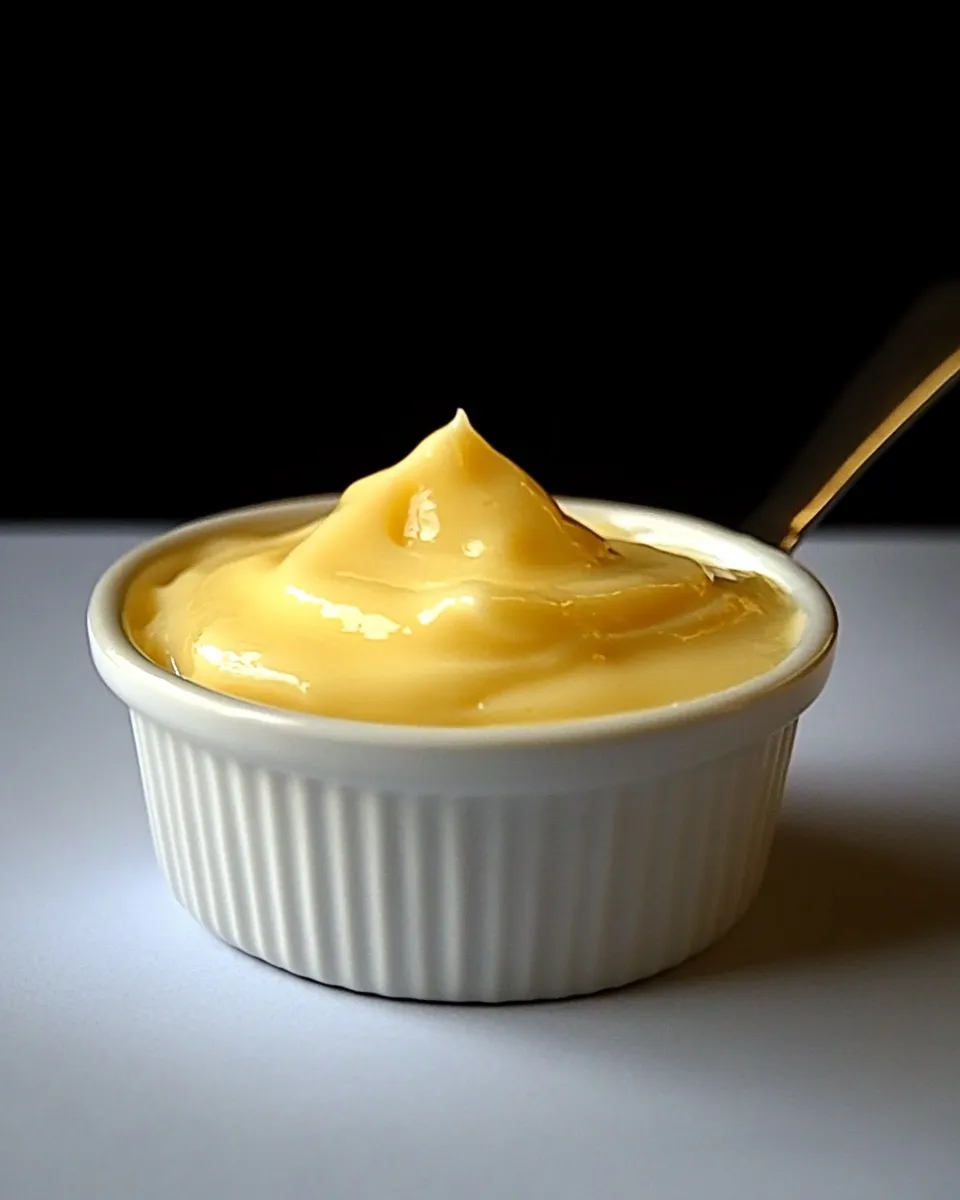
Why Every Baker Needs This Classic Pastry Cream (Crème Pâtissière)
In the vast and wonderful world of baking, some creations stand as timeless pillars, forming the very foundation of countless beloved desserts. Among these, the classic pastry cream, or
crème pâtissière as it's elegantly known in French, holds a truly special place. Far from being an intimidating, chef-exclusive concoction, this silky, rich, and remarkably versatile cream is a secret weapon that every home baker should have in their repertoire. It's the kind of decadent classic that defies trends, always remaining in fashion, always in season, and offering a myriad of applications that can elevate even the simplest treat into a gourmet delight. If you’ve ever wondered what gives those bakery-bought tarts and éclairs their signature creamy filling, this is it – and the best part is, mastering a reliable
classic pastry cream recipe is much easier than you might imagine.
The Indispensable Role of Crème Pâtissière in Your Kitchen
Imagine a dessert ingredient that is both luxuriously rich and delicately smooth, capable of perfectly complementing the vibrant tartness of fresh fruit or the deep cocoa notes of chocolate. That's the magic of classic pastry cream. Its inherent balance of sweetness, creaminess, and subtle eggy richness makes it an ideal partner for an astounding array of flavors and textures. This isn't just a fancy filling; it's a foundational component that underpins much of classic French patisserie and beyond.
What makes it truly indispensable? Firstly, its incredible versatility. From elegant fruit tarts to humble bread puddings,
crème pâtissière effortlessly adapts. Secondly, its surprisingly simple preparation. Despite its sophisticated reputation, a truly excellent classic pastry cream can be whipped up in mere minutes – often less than 15 – using basic pantry staples and a whisk. This speed and ease mean that gourmet-level desserts are always within reach, even on a busy weeknight. It empowers you to transform everyday ingredients into extraordinary experiences, proving that decadence doesn't have to be difficult.
The Anatomy of a Perfect Pastry Cream: Simple Ingredients, Profound Flavor
At its heart, a
classic pastry cream recipe relies on a handful of humble ingredients, each playing a crucial role in achieving that signature creamy, stable, and flavorful consistency. Understanding these components is the first step toward mastering this essential technique.
*
Milk: Typically whole milk is preferred for its richness, providing the creamy base for the emulsion.
*
Sugar: Granulated sugar not only sweetens but also contributes to the cream's smooth texture and helps prevent the eggs from curdling.
*
Egg Yolks (or sometimes whole eggs): These are the stars for richness, color, and thickening power. Yolks contribute to that beautiful golden hue and velvety mouthfeel, while also acting as an emulsifier. Using whole eggs can result in a slightly lighter cream.
*
Starch (Cornstarch or Flour): This is the crucial thickening agent that gives pastry cream its stability, allowing it to hold its shape when cut into, say, a slice of tart. Cornstarch generally yields a shinier, clearer, and more stable cream, while flour provides a more opaque, traditional result. Many recipes combine both for optimal texture.
*
Vanilla: Essential for its aromatic depth, vanilla (extract, bean paste, or a scraped vanilla bean) infuses the cream with a warm, classic flavor that complements almost any dessert.
The alchemy happens when these ingredients are carefully heated and whisked. The starch thickens the milk, while the eggs cook and create a stable emulsion, resulting in a thick, custardy cream that sets beautifully when chilled. It's a testament to how simple components, when combined with proper technique, can create something truly magical.
Beyond the Bowl: Incredible Uses for Your Classic Pastry Cream
Once you've made a batch of this magnificent cream, the possibilities for its use are virtually endless. This is where the true value of knowing a good
classic pastry cream recipe shines. It's not just a standalone dessert; it's a building block for a vast array of sweet masterpieces.
Here are just a few ways you can put your freshly made
crème pâtissière to work:
*
Elegant Tarts: The quintessential filling for fruit tarts, its rich yet delicate flavor pairs beautifully with fresh berries, peaches, kiwi, or citrus segments. The cream creates a perfect cushion for the fruit, making every bite heavenly.
*
Classic Éclairs and Cream Puffs: The light, airy choux pastry shells are crying out to be filled with smooth, decadent pastry cream.
*
Layer Cakes and Millefoglie: Use it as a luxurious layer between cake sponges or puff pastry sheets, as seen in the stunning Millefoglie Cream Cake with Berries. It adds moisture, richness, and a sublime texture.
*
Pies: Transform simple pie crusts into luscious cream pies like banana cream pie or coconut cream pie.
*
Fruit Parfaits and Trifles: Layer it with fresh fruit, cake pieces, and whipped cream for an impressive, yet easy, dessert.
*
Crostatas and Galettes: Spread it as a base before adding fruit to free-form tarts, such as a Fresh Peach Crostata, preventing the crust from getting soggy and adding an extra layer of flavor.
*
Doughnut and Brioche Fillings: Inject it into homemade doughnuts or sweet brioche buns for a delightful surprise.
And for an even lighter touch, you can always fold in some freshly whipped cream to create a diplomat cream (crème diplomate), perfect for a mousse-like filling. Bakeries and restaurants rely heavily on this versatile cream for a reason – it provides that consistent, irresistible filling that keeps customers coming back. For more inspiration on how professionals use this staple, check out
The Classic Pastry Cream Recipe Bakeries Swear By for Every Dessert.
Tips for Perfecting Your Crème Pâtissière Every Time
While making pastry cream is quick and straightforward, a few key techniques can ensure a silky-smooth, lump-free, and perfectly set result every single time.
1.
Mise en Place is Key: Have all your ingredients measured and ready before you start. This prevents scrambling and ensures a smooth process, especially since the cooking phase is quite fast.
2.
Tempering the Eggs: This is crucial to prevent your eggs from scrambling. Slowly whisk about a third of the hot milk mixture into your egg and sugar mixture before pouring the tempered egg mixture back into the remaining hot milk. This gentle increase in temperature prevents thermal shock.
3.
Whisk Vigorously and Constantly: During cooking, whisk continuously, especially in the corners and bottom of the pan, to prevent lumps and scorching. Don't stop whisking until the cream is thick and bubbling.
4.
Cook It Thoroughly: Once thickened, continue to whisk and cook the pastry cream for another 1-2 minutes over medium heat. This ensures the starch is fully cooked out, preventing a "floury" taste and ensuring maximum stability. The cream should bubble heavily, almost like a lava flow.
5.
Strain for Silky Smoothness: After cooking, immediately pass the hot pastry cream through a fine-mesh sieve into a clean bowl. This catches any small lumps or cooked egg bits, guaranteeing a perfectly smooth texture.
6.
Prevent Skin Formation: To avoid a rubbery skin forming on the surface as it cools, immediately press a piece of plastic wrap directly onto the surface of the hot pastry cream. Ensure no air pockets remain.
7.
Chill Thoroughly: For the best texture and stability, chill the pastry cream for at least 2-4 hours, or preferably overnight, until it is completely cold.
8.
Re-whisk Before Use: Once chilled, the pastry cream will be very firm. Before using, give it a vigorous whisk (by hand or with an electric mixer) for a minute or two to loosen it up and restore its smooth, spreadable consistency.
By following these simple guidelines, you'll consistently achieve bakery-quality pastry cream, ready to elevate any dessert. You'll be amazed at how quickly you can achieve decadent results; for more insights into rapid preparation, read
Unlock Decadent Desserts: Make Pastry Cream in Just 15 Minutes.
Troubleshooting Common Pastry Cream Challenges
Even with the best intentions, things can sometimes go awry. Knowing how to troubleshoot common pastry cream problems can save your dessert:
*
Lumpy Pastry Cream: This often happens from not whisking constantly or vigorously enough during cooking, or from not tempering the eggs properly. If it's just a few lumps, straining through a fine-mesh sieve will fix it. For more significant lumps, an immersion blender or standard blender can smooth it out once it's cooled slightly.
*
Pastry Cream is Too Thin: This usually means it hasn't been cooked long enough to activate the starch and properly thicken the eggs. Return it to the stove over medium heat and continue whisking and cooking until it thickens sufficiently and bubbles for a minute or two.
*
Pastry Cream is Too Thick: Overcooking or too much starch can lead to an overly stiff cream. Once chilled, try whisking in a tablespoon or two of cold milk or cream until it reaches your desired consistency.
*
Scorched Bottom: A common issue if you don't stir constantly or use too high heat. If you notice a burnt smell or taste, immediately transfer the cream to a clean bowl, avoiding scraping the bottom of the pan, and strain it. Sometimes, however, the flavor may be too compromised.
Conclusion
The classic pastry cream (
crème pâtissière) is more than just a recipe; it's an invitation to a world of exquisite desserts, a testament to the power of simple ingredients transformed by technique. Its timeless appeal, incredible versatility, and surprising ease of preparation make it an absolute must-have in any baker's repertoire. From enriching a fresh fruit tart to lending a silky smooth filling to éclairs, this foundational cream promises to elevate your baking from good to truly gourmet. So, next time you're looking to impress, don't shy away from this classic. Embrace the challenge, enjoy the process, and savor the unbelievably delicious rewards of mastering your very own
classic pastry cream recipe. Your desserts – and your taste buds – will thank you.